
NICEIC · BAFE · Gas Safe approved Covering the North East & Yorkshire 0331 630 4101 · local rate
EITEngineering InstallationsTeesside · Est. 1958

T-06Inspection and Testing Services

Inspection and testing services

For duty holders, facilities teams and property managers, inspection isn’t about ticking boxes. It’s about understanding the real condition of building systems, identifying risks before they escalate, and keeping clear evidence that safety responsibilities are being met.

We deliver practical, risk-based inspection and testing tailored to how your building is actually used, covering electrical installations, gas and safety equipment.

Inspection and testing services

T-06Overview

What are inspection and testing services?

The systematic assessment of building systems to confirm they’re safe, compliant and working as intended. Unlike reactive repairs, it’s preventative: issues are managed before they lead to incidents, enforcement action or business interruption.

How we help

  • Fixed wire testing for electrical systems
  • Gas safety and plumbing inspections
  • HVAC system performance and safety testing
  • Fire alarm and emergency lighting testing
  • Compliance paperwork management

What we deliver

Our inspection & testing services

EICR & fixed wire testing

EICR & fixed wire testing

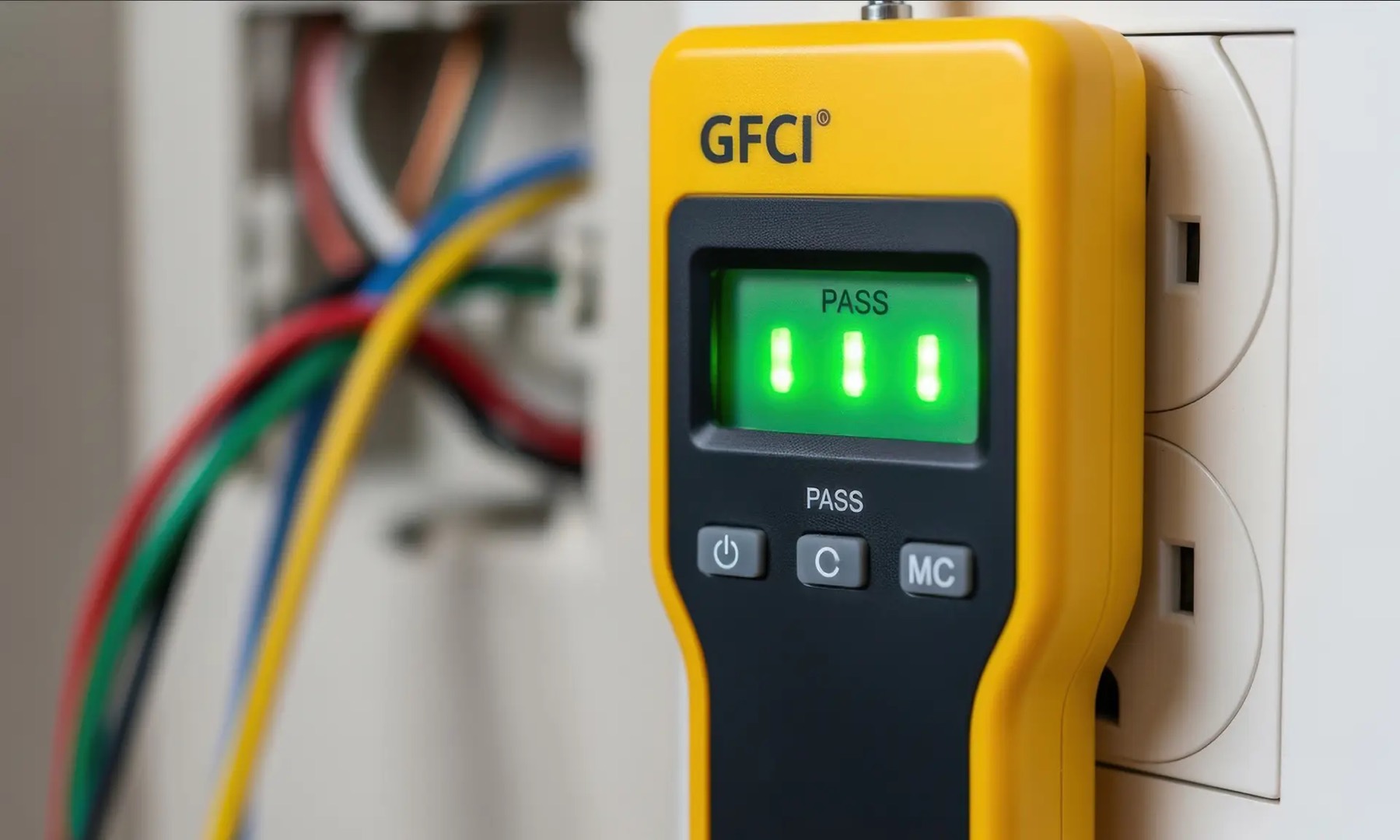
An Electrical Installation Condition Report evaluates the safety and condition of the fixed wiring in your building, with coded observations that prioritise risk.

  • Visual inspection of accessible components
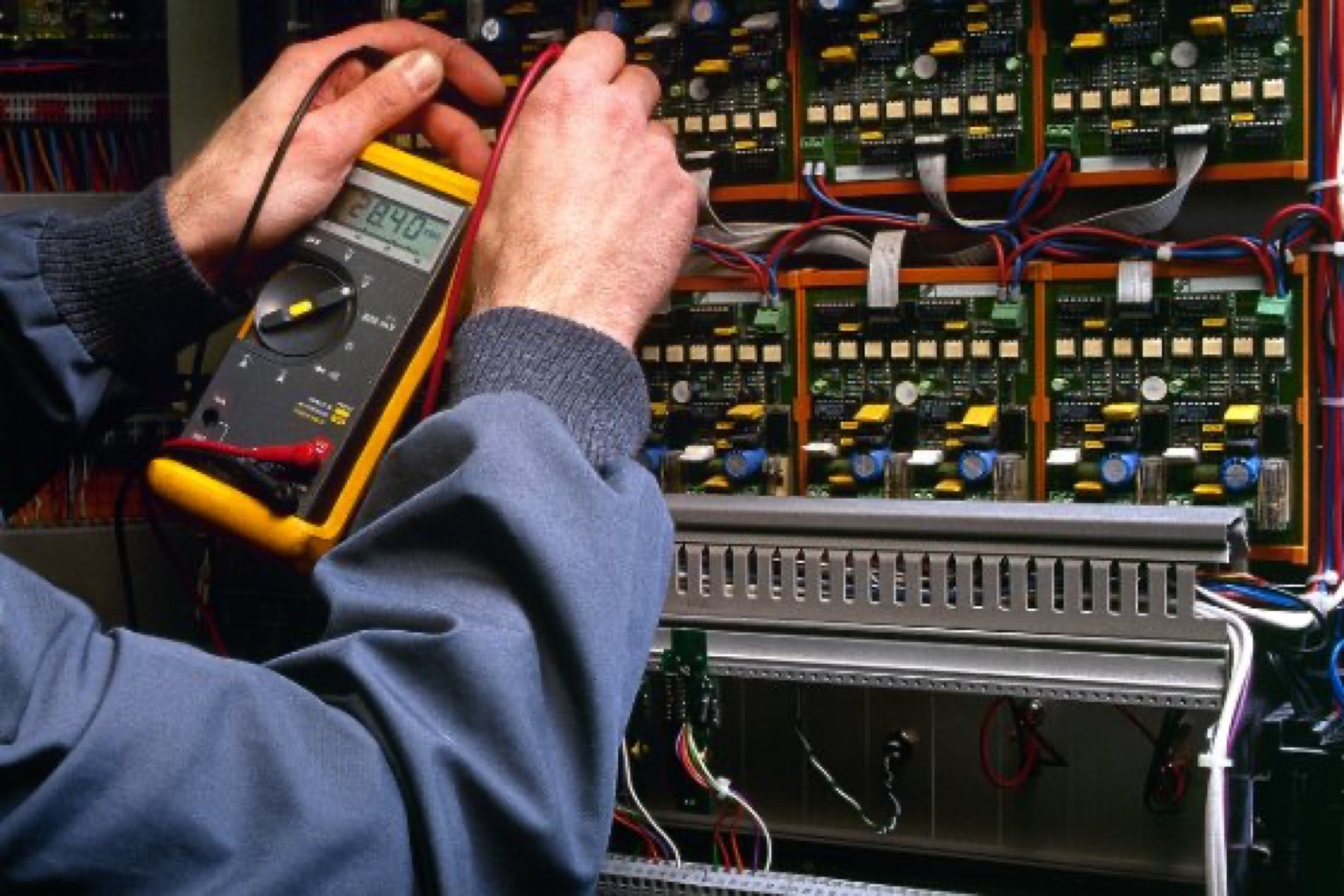
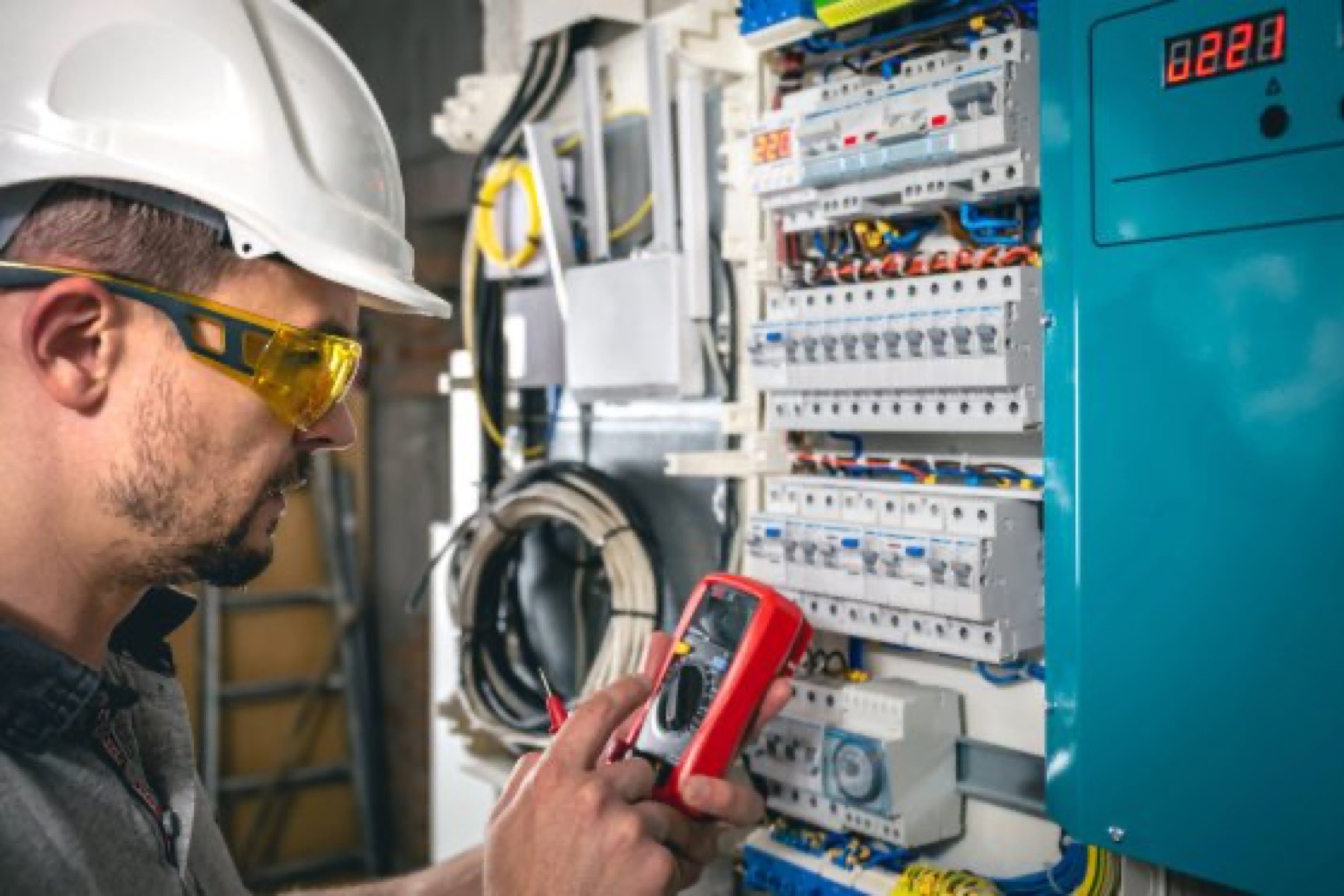
  • Testing of circuits and protective devices
  • Identification of non-compliance
  • Clear, prioritised remedial guidance

Approach

T-06.1

When do you need inspection and testing?

Regular assessments catch risks early, prevent costly failures and keep your building aligned with legal standards.

  • Scheduled compliance inspections
  • Pre-audit or insurance checks
  • After repairs or upgrades
  • Change of ownership or tenancy
  • Emergency situations
T-06.2

Why a risk-based approach matters

Legislation doesn’t prescribe fixed intervals for every system. It places a duty on those in control of premises to maintain systems so they don’t present danger.

  • Building use and occupancy
  • Environmental conditions
  • System age and condition
  • History of faults or changes

Standards & accreditation

Qualified and compliant.

All of our team carry the relevant trade qualifications and work to recognised industry standards, supported by memberships with CHAS, Constructionline (Gold Member), RESET and SafeContractor.

  • NICEIC Approved Contractor
  • BS 7671 inspection & testing
  • Gas Safe Register
  • NICEIC Approved Contractor
  • BAFE Fire Safety Register
  • Gas Safe Register
  • CHAS
  • Constructionline Gold Member
  • SafeContractor
  • SafePQQ

FAQs

Frequently asked questions

Who is legally responsible for inspection and testing in a commercial building?

Legal responsibility usually rests with the duty holder or the organisation in control of the premises, not with the contractor carrying out the tests. If inspection and testing are missed, overdue, or poorly documented, enforcement action is typically taken against the building operator or landlord. Contractors support compliance, but responsibility for ensuring it happens cannot be delegated.

What is the risk of relying on old inspection reports?

Outdated inspection reports provide little protection. If systems have been altered, loads have increased, or faults have developed since the last inspection, older reports may no longer reflect actual risk. In the event of an incident, relying on historic documentation can weaken your position with insurers, auditors, or enforcing authorities.

How often does inspection and testing need to be carried out?

There is no single fixed interval that applies to every building or system. Inspection and testing frequencies should be based on risk, taking into account building use, occupancy, system condition, and history. Blanket intervals without risk assessment can lead to either unnecessary cost or missed safety issues.

What happens if the inspection identifies issues that we cannot fix immediately?

Identifying issues does not automatically mean enforcement or shutdown. What matters is how risks are managed. A structured approach involves prioritising findings by severity, implementing interim controls where needed, and planning remedial work within a reasonable timeframe. Clear documentation of decisions is critical.

Are inspection and testing reports actually reviewed by insurers and auditors?

Yes. Insurers, auditors, and regulators routinely request inspection and testing records during reviews, renewals, or investigations. Reports that clearly identify risks, actions taken, and follow-up evidence carry far more weight than generic certificates. Poor quality or missing records can delay approvals or increase scrutiny.

Can inspection and testing be coordinated to minimise disruption to operations?

Yes, when it is planned properly. Inspection and testing should be scheduled around occupancy, access constraints, and operational priorities. Risk-based planning allows testing to be phased or timed to reduce downtime. Disruption is far more likely when inspections are reactive or rushed rather than planned.

Client testimonials

Trusted on sites across the region

01 / 04
“Brilliant and knowledgable staff from enquiry to job completion.”
Kevin O'BrienGalleries Shopping Centre

Next step

Ready to get started?

Contact us today to discuss your project, arrange a survey or schedule a consultation with our inspection & testing team.

Concept design · not the official website