NICEIC · BAFE · Gas Safe approved Covering the North East & Yorkshire 0331 630 4101 · local rate
EITEngineering InstallationsTeesside · Est. 1958

L-03Emergency Lighting Installation, Servicing and Repairs

Emergency lighting installation

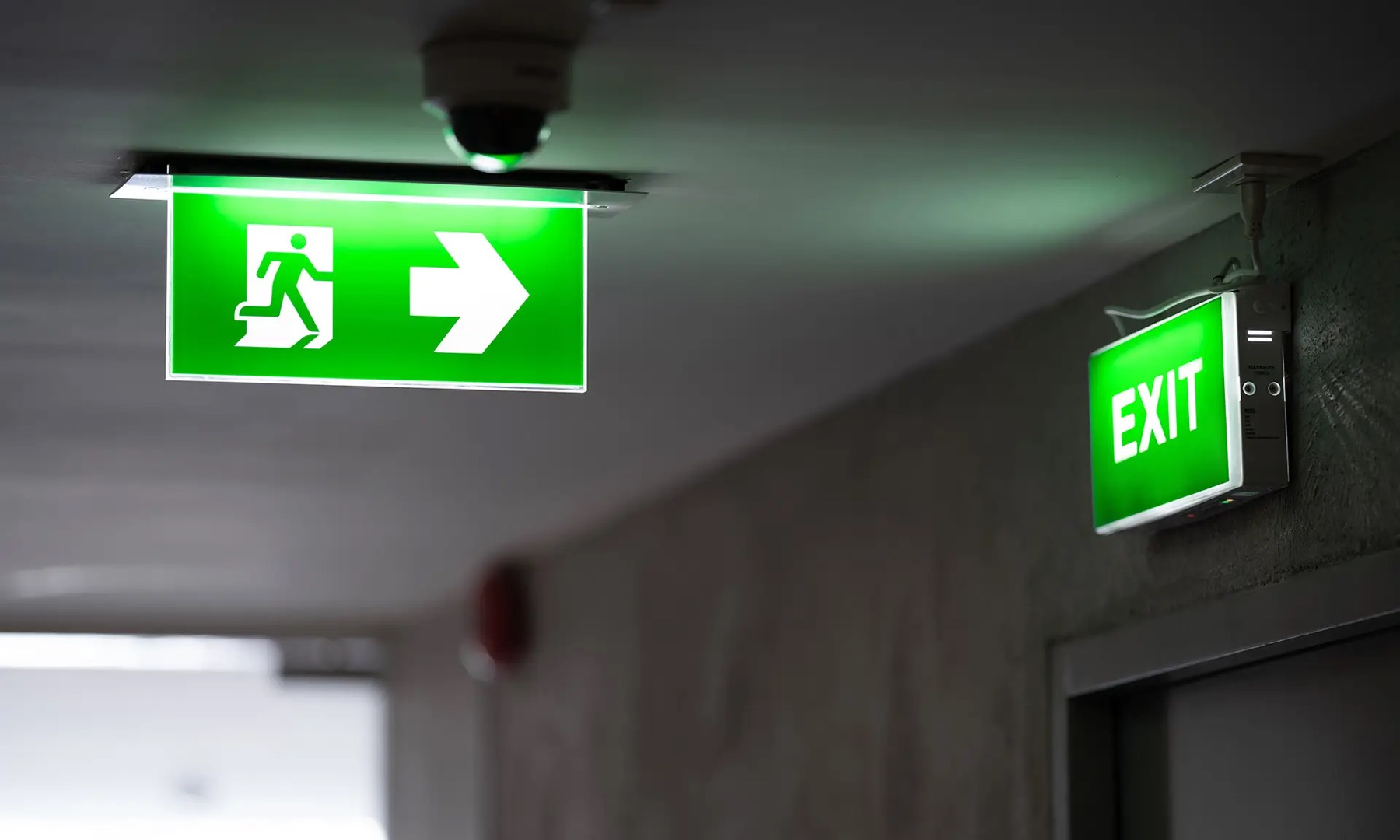
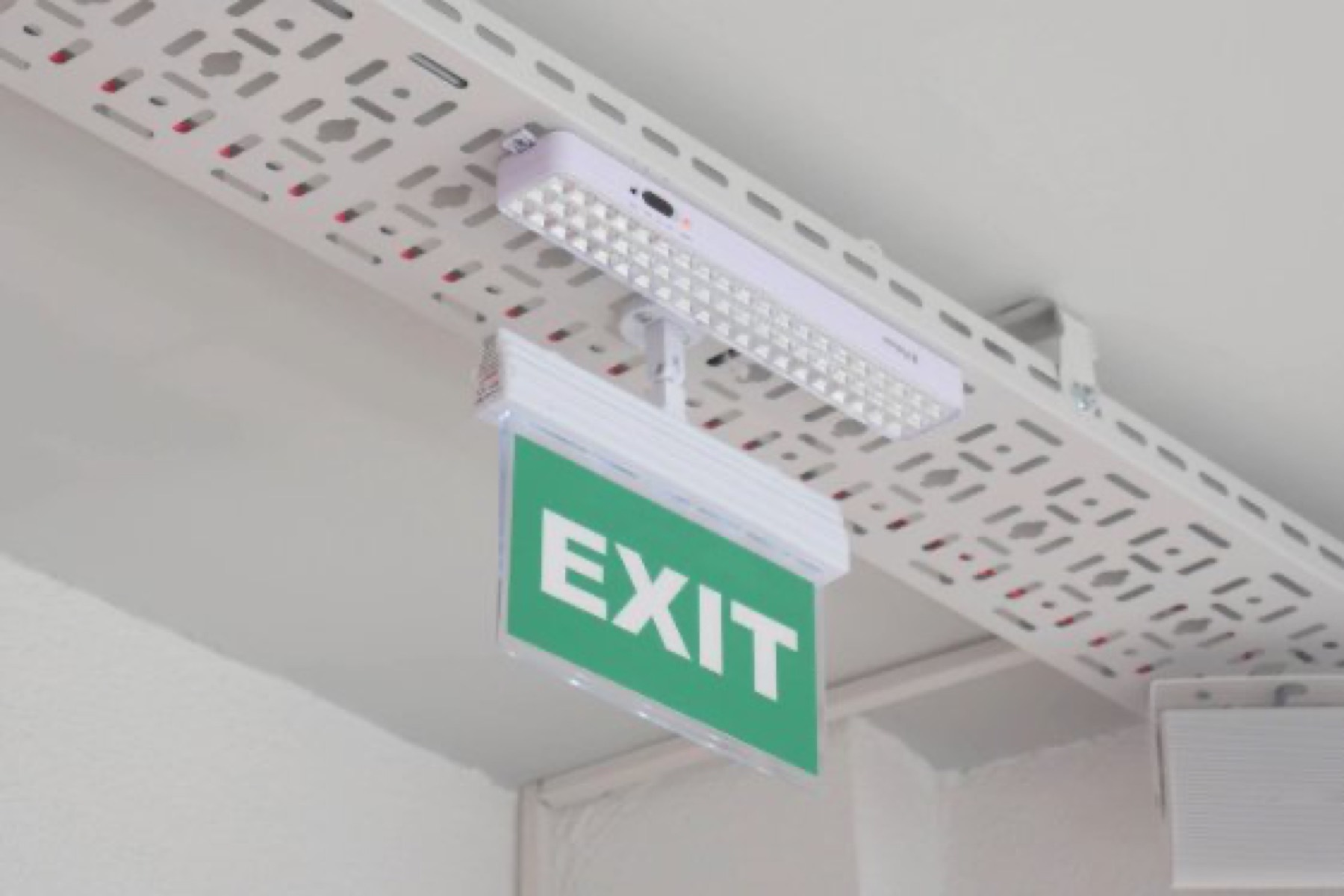
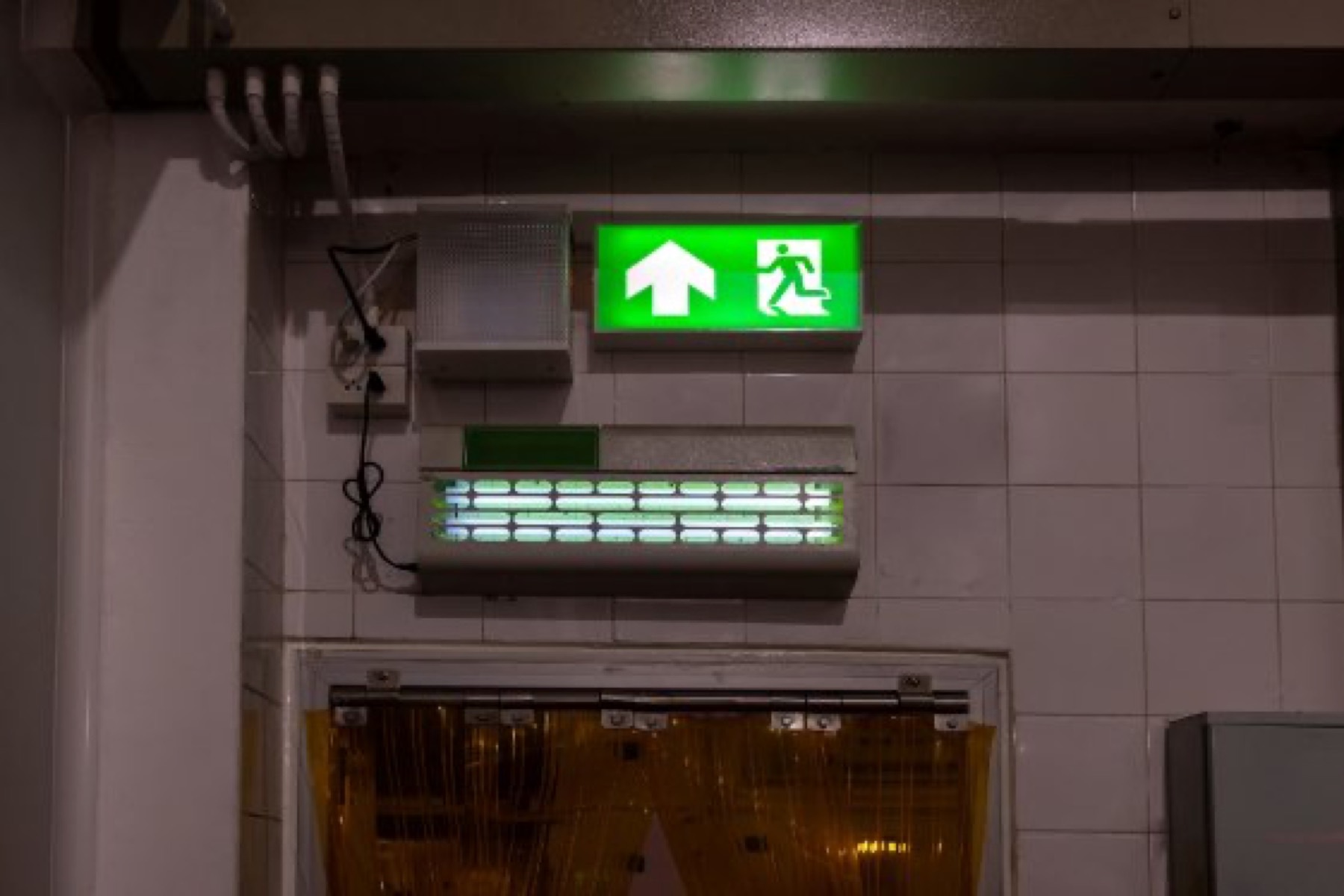
Emergency lighting is a critical life safety system required in most non-domestic buildings. When normal lighting fails, it must illuminate escape routes, exits and key safety points. That’s a legal responsibility of the building’s Responsible Person.

We provide emergency lighting installation, testing, servicing and repairs for commercial and public-sector premises across Teesside, designed and maintained to current UK regulations.

Emergency lighting installation

L-03Overview

What is emergency lighting and why is it required?

A backup lighting system that activates automatically when the main supply fails, lighting escape routes, staircases, corridors and exits so occupants can evacuate safely. It’s required by UK safety regulations and building standards, with testing set out in BS 5266.

How we help

  • Emergency lighting system design and installation
  • Regular testing and compliance checks
  • Fault finding and repairs
  • Expert emergency support for lighting systems
  • Tailored maintenance programmes

What we deliver

Our emergency lighting services

Emergency lighting design

Emergency lighting design

Effective emergency lighting begins with proper design. We assess your layout, escape routes and safety requirements, then specify the right units.

  • Escape route lighting planning
  • Risk assessment and compliance review
  • Maintained or non-maintained, 1-hour or 3-hour duration
  • System layout and luminaire specification

Approach

L-03.1

The legal duty sits with the Responsible Person

Failing to install or maintain emergency lighting correctly can lead to enforcement action, invalidated insurance and serious safety risks during an incident.

  • Emergency lighting must be present wherever people could be at risk in a power failure
  • The system must suit the building layout and occupancy
  • It must be tested, maintained and repaired
  • Records must demonstrate ongoing compliance

L-03.2

Taking over from a previous contractor

When we take over an existing system, we review the installation and paperwork first, so nothing is missed and you start from a known baseline.

  • A baseline survey of the existing system
  • Identification and rectification of critical defects
  • Verification of design intent and coverage
  • Updated or new logbooks and drawings

Standards & accreditation

Qualified and compliant.

All of our team carry the relevant trade qualifications and work to recognised industry standards, supported by memberships with CHAS, Constructionline (Gold Member), RESET and SafeContractor.

  • BAFE approved
  • BS 5266 testing
  • NICEIC Approved Contractor
  • NICEIC Approved Contractor
  • BAFE Fire Safety Register
  • Gas Safe Register
  • CHAS
  • Constructionline Gold Member
  • SafeContractor
  • SafePQQ

FAQs

Frequently asked questions

Who is responsible for emergency lighting compliance in a leased building, landlord or tenant?

Under the Regulatory Reform (Fire Safety) Order 2005, the Responsible Person must ensure that emergency routes and exits requiring illumination have adequate emergency lighting and that fire safety measures are maintained. In leased buildings, the Responsible Person can be the landlord, tenant, managing agent, or shared, depending on who has control of the premises and maintenance responsibilities.

Do we need one-hour or three-hour emergency lighting, and how do we justify the duration?

Duration should be based on evacuation strategy and re-occupation risk , not habit. Three-hour duration is generally expected where evacuation is not immediate, or where early re-occupation may be required.; One-hour duration may be acceptable only if the premises will be evacuated immediately and not re-occupied until batteries are fully recharged.; This is set out in guidance based on BS 5266.

Can our staff do the monthly emergency lighting test, or does it need an engineer?

The monthly functional test can often be performed in-house if the person conducting it is competent and follows a consistent method, but many organisations use a contractor to maintain confidence and audit resilience.

The annual three-hour test is disruptive. Do we really have to do it, and how can we reduce downtime?

The annual full duration test is the one that proves battery capacity and real performance , so it is difficult to replace with “a quick check” without increasing risk.

What should we do if emergency lights are beeping, showing a fault, or failing tests?

Treat it as a life safety defect , not a minor maintenance issue.

What paperwork should we expect after installation, servicing, or repairs, and what if we inherit a system from a previous contractor?

You should expect documentation that stands up in audits and handovers, not just a “job done” note.

Client testimonials

Trusted on sites across the region

01 / 04
“Brilliant and knowledgable staff from enquiry to job completion.”
Kevin O'BrienGalleries Shopping Centre

Next step

Ready to get started?

Contact us today to discuss your project, arrange a survey or schedule a consultation with our emergency lighting team.

Concept design · not the official website